 The Professional Fellows Program on Disability and Civic Society
Building Bridges for Inclusive Civic Engagement: From New York to Nairobi
Published: Jul 07, 2026
Country: Kenya
Dr. Izel S. Obermeyer’s Outbound Fellowship Experience
Dr. Izel S. Obermeyer is a US Outbound Fellow in the FY2023 Professional Fellows Program (PFP) on Disability and Civic Society. This program is sponsored by the US Department of State’s Bureau of Educational and Cultural Affairs and is administered by the ICI at UMass Boston in partnership with the African Disability Forum (ADF). The following blog post was contributed by guest author Dr. Izel S. Obermeyer.
In October 2025, Dr. Izel S. Obermeyer welcomed Fall 2025 PFP Fellow Maria Makau to the Westchester Institute for Human Development (WIHD) in Valhalla, New York, for a three-week fellowship experience. Maria is the co-founder of the Nairobi-based non-profit The Shield Maidens. She leads efforts to combat technology-facilitated gender-based violence (TFGBV) and advocates for a safer, more inclusive, and equitable digital future for women, girls, and marginalized communities.
During her fellowship at WIHD, Maria spent her time learning, collaborating, and exploring new strategies to advance disability inclusion, digital safety, and civic engagement in her community.
What began as a fellowship exchange quickly grew into a meaningful international partnership.
Building on the work they started together, Dr. Obermeyer traveled to Nairobi from April 17–30, 2026, for her outbound fellowship experience. The visit provided an opportunity to deepen their collaboration in person and support the continued growth of Maria’s follow-on project.
A Shared Commitment to Inclusion
Dr. Obermeyer, chief clinical officer at WIHD, has spent nearly four decades working in the disability field as an occupational therapist. As the former director of WIHD’s Assistive Technology Program, she has focused much of her career on helping people with disabilities access and benefit from technology and digital spaces.
A key part of her work has been training people with disabilities on how to navigate the online world safely and confidently while taking advantage of the opportunities the internet provides. This shared commitment to empowerment and inclusion made her partnership with Maria and The Shield Maidens a natural fit.
Before Dr. Obermeyer's arrival in Nairobi, the two had already completed the first five training sessions of Maria’s follow-on project. The visit provided an opportunity for them to work together in person, further strengthening the training program. Their collaboration focused on advancing inclusive civic engagement through disability inclusion, digital equity, trauma-informed engagement, and cross-sector partnerships.
The outbound fellowship brought together fellows from two PFP outbound teams, along with community organizations, educational institutions, government partners, and international partners committed to advancing inclusion. Through collaborative learning, site visits, and community engagement activities, Dr. Obermeyer and Maria gained valuable insights into how inclusive systems can be strengthened through partnership, innovation, and a shared sense of purpose.
Strengthening Civic Engagement Through Collaboration
The outbound fellowship focused on strengthening inclusive civic engagement through international collaboration, shared learning, and community engagement. The experience supported the broader fellowship mission of promoting access, participation, and leadership opportunities for persons with disabilities and other marginalized communities.
Key objectives included:
-
strengthening inclusive civic engagement strategies through global collaboration
-
promoting digital inclusion and safety for women and persons with disabilities
-
expanding partnerships across healthcare, education, and disability sectors
-
integrating trauma-informed and culturally responsive approaches
-
supporting ongoing mentorship and peer learning
Consistent with the broader goals of the fellowship, the outbound fellowship emphasized that sustainable inclusion requires meaningful collaboration among communities, institutions, and policymakers.
Collaboration in Action
One of the most impactful aspects of the outbound experience was the opportunity for cross-fellowship collaboration. At August 7th Memorial Park, a site dedicated to remembrance and peacebuilding, Dr. Obermeyer and Maria supported sessions facilitated by fellow outbound team members Dr. Evan Borisinkoff of Minot State University and Fall 2025 PFP Fellow Roselyne Mburu of the Down Syndrome Society of Kenya (DSSK). Together, they fostered an environment of peer learning, shared leadership, and mutual mentorship.
These sessions demonstrated the value of collective action in advancing inclusive civic engagement. Participants exchanged strategies, reflected on their community experiences, and explored practical approaches to creating more accessible, equitable, and participatory environments.
Turning Challenges into Opportunities
Not everything went according to plan.
During Dr. Obermeyer’s outbound visit, citywide protests disrupted transportation and required significant adjustments to scheduled activities. Rather than canceling events, the outbound team quickly adapted by moving programming online.
A planned session evolved into a virtual International Girls in Information and Communication TechnologY ( ICT) Day event held in partnership with UN Women, African Centre for Technology Studies (ACTS), and gDIH (Green and Digital Innovation Hub, a technology and sustainability initiative in Kenya). The experience became a strong example of flexibility and innovation in civic engagement work.
The virtual platform expanded participation and reinforced that digital inclusion is not only a topic of discussion but also an effective tool for resilience, accessibility, and continuity.
Learning from Communities
Community engagement remained at the heart of the fellowship experience.
At August 7th Memorial Park, Dr. Obermeyer and Maria participated in community-centered discussions grounded in trauma-informed and inclusive facilitation practices. These conversations created space for participants to share experiences, feel heard, and contribute meaningfully to discussions about inclusion and civic participation.
The sessions reinforced the understanding that inclusive civic engagement is strengthened through authentic relationships, mutual learning, and meaningful participation within communities.
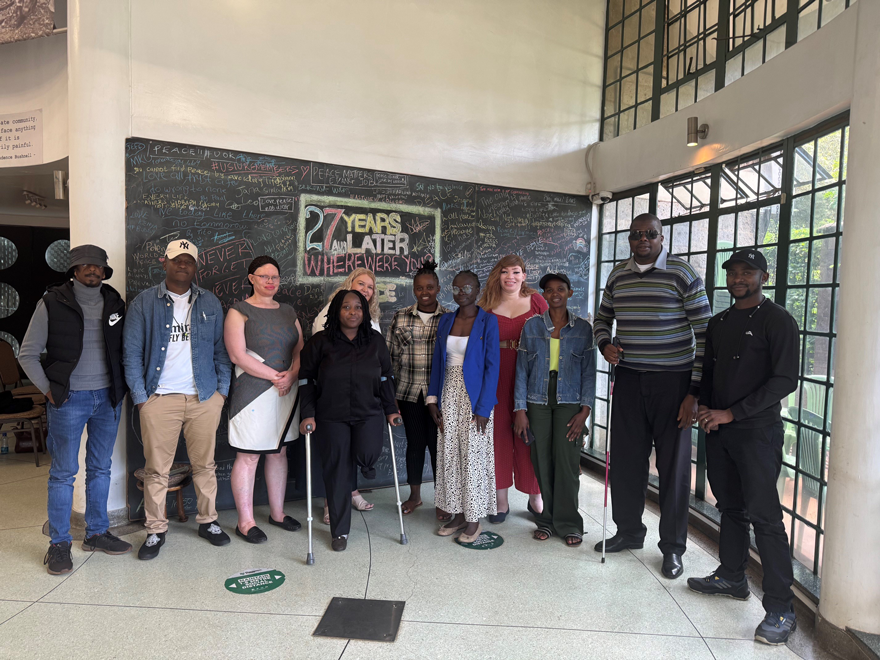
Figure 1: US Outbound Fellow Dr. Izel S. Obermeyer and PFP Alumna Maria Makau, alongside participants, pose for a group photo at August 7th Memorial Park in Nairobi after a collaborative session.
Exploring Kenya's Disability Ecosystem
The fellowship also provided opportunities to learn from organizations that are leading disability inclusion efforts across Kenya.
Visits included:
-
The United Disabled Persons of Kenya (UPDK)
-
The National Council for Persons with Disabilities (NCPWD)
-
The Association for the Physically Disabled of Kenya (APDK)
-
Kenya Medical Training College (KMTC)
These visits offered valuable insight into disability services, workforce development, assistive technology, and policy initiatives.
At APDK and UPDK, observing the production of wheelchairs and prosthetic devices highlighted innovative local approaches to promoting independence, mobility, and accessibility for persons with disabilities.
At KMTC, discussions with faculty and students provided opportunities to explore how trauma-informed digital inclusion practices could be integrated into academic curricula and professional training programs.
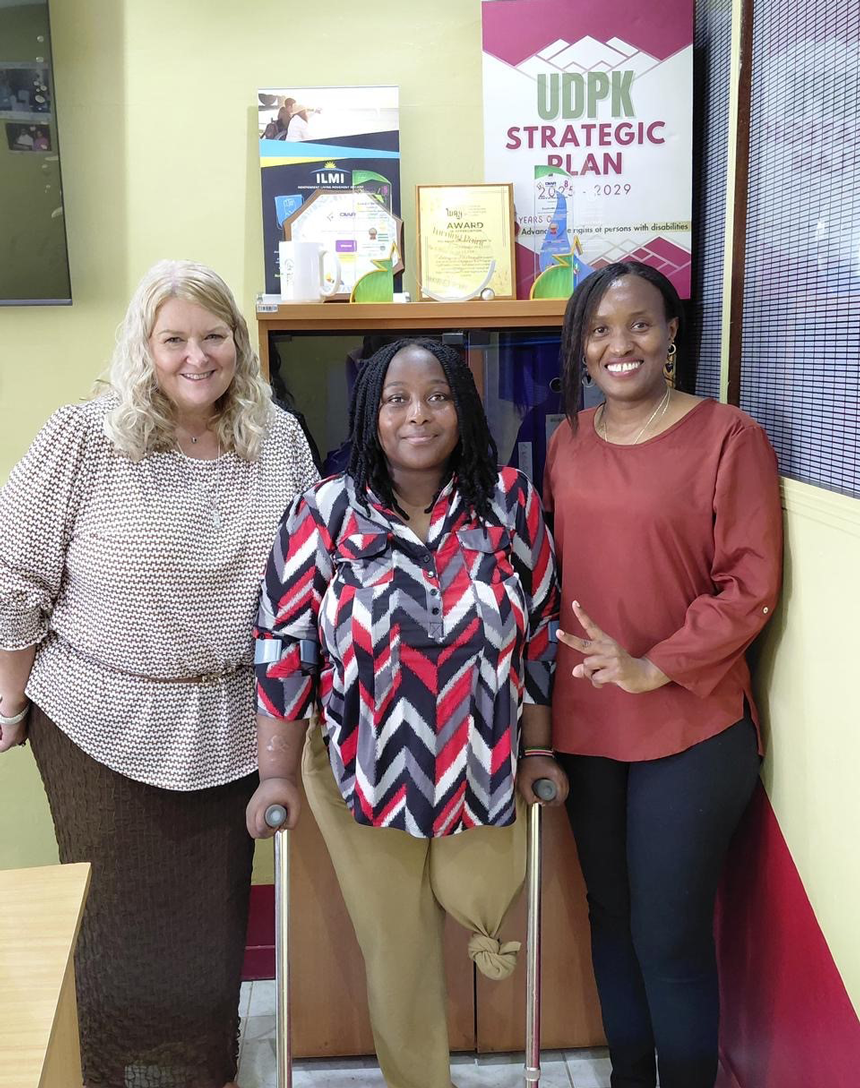
Figure 2: US Outbound Fellow Dr. Izel S. Obermeyer (left), PFP Alumna Maria Makau (center), and Sally Nduta, chief executive officer of the United Disabled Persons of Kenya (UDPK) (right), pose for a photo.
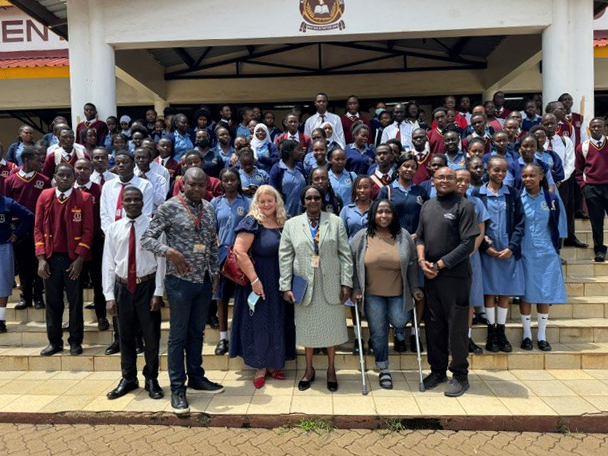
Figure 3: US Outbound Fellow Dr. Izel S. Obermeyer and PFP Alumna Maria Makau, along with Kenya Medical Training College (KMTC) students and staff, pose for a group photo in front of the college building.
Connecting Policy and Practice
The fellowship also included a visit to the US Embassy and American Space, where conversations focused on disability inclusion, digital safety, and opportunities for future collaboration.
These discussions highlighted the importance of connecting grassroots community efforts with institutional and policy-level support to create sustainable change.
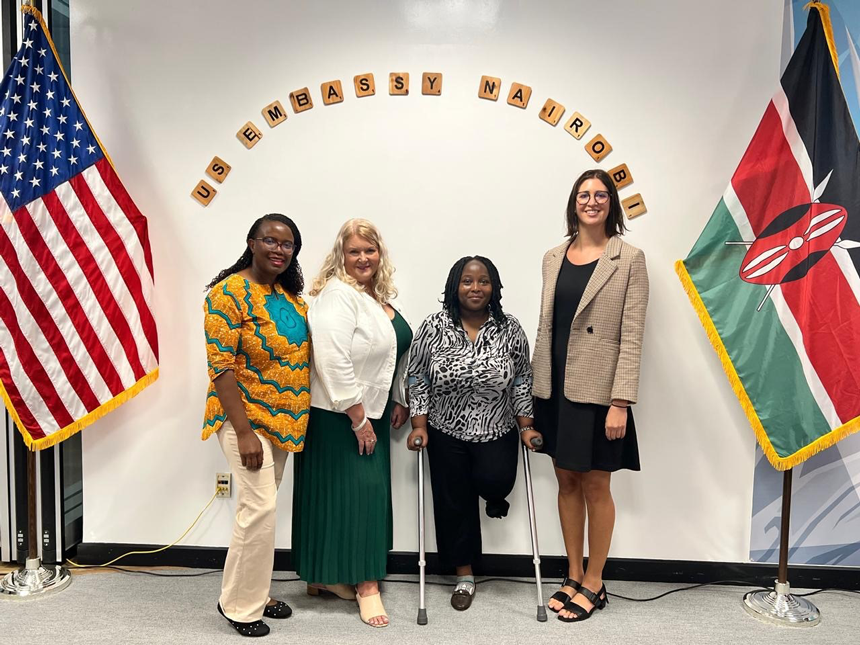
Figure 4: US Outbound Fellow Dr. Izel S. Obermeyer (second from left), PFP Alumna Maria Makau (second from right), and two US Embassy Nairobi staff members pose for a group photo.
The Power of Cultural Exchange
Beyond meetings and workshops, cultural activities were woven throughout the outbound experience and played an important role in strengthening relationships among participants.
Visits to the Maasai Market and the Giraffe Centre provided opportunities for cultural exchange, informal conversations, and a deeper appreciation of Kenyan traditions and perspectives.
Sharing meals, stories, and experiences outside formal meeting spaces helped build trust and foster stronger personal and professional relationships.
For Dr. Obermeyer, these moments reinforced the importance of humility, listening, and understanding local contexts when working across cultures.
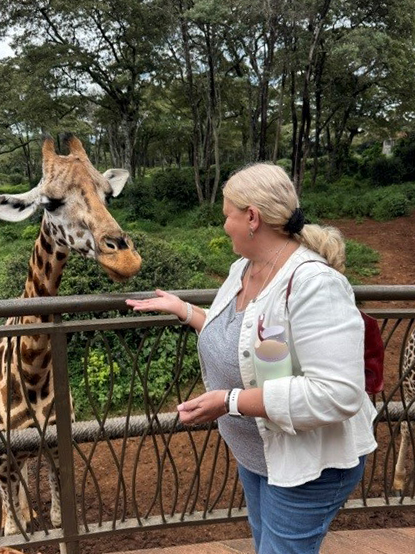
Figure 5: Dr. Izel S. Obermeyer feeds a giraffe at Giraffe Park in Nairobi, Kenya.
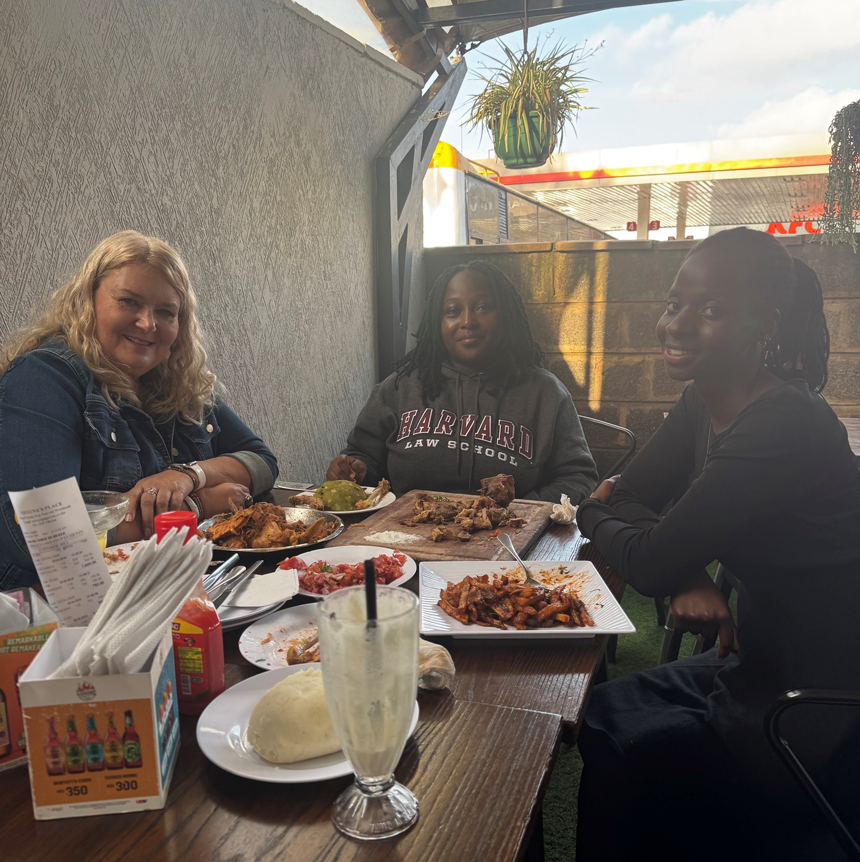
Figure 6: US Outbound Fellow Dr. Izel S. Obermeyer (left), PFP Alumna Maria Makau (center), and Maria’s friend and colleague from The Shield Maidens, Iyvine Rose (right), enjoy a meal together.
Reflective Insights
The outbound fellowship experience highlighted the importance of adaptability, partnership, and culturally responsive engagement. One of the most valuable lessons learned was that inclusion requires flexibility and responsiveness, especially during unexpected challenges.
The successful shift to virtual programming during periods of disruption demonstrated how technology can expand accessibility and participation.
The experience also reinforced several important themes:
-
Strong partnerships create lasting impact.
-
Inclusion must address disability, gender, and digital access together.
-
Education and workforce development are critical to systems change.
-
Community relationships are at the heart of meaningful engagement.
-
Cultural understanding strengthens collaboration and trust.
Professionally, the experience strengthened Dr. Obermeyer’s commitment to advancing trauma-informed, inclusive, and digitally connected approaches to civic engagement. It also reinforced the importance of ensuring that people with disabilities are not only included in decision-making but are active leaders in shaping the systems that affect their lives.
Looking Ahead
The relationships and partnerships developed during the outbound fellowship have laid the groundwork for future collaboration.
Future opportunities include continuing partnerships with educational institutions and disability organizations, supporting digital inclusion initiatives, and expanding opportunities for peer learning across sectors.
Discussions with KMTC also opened the door to future collaboration around embedding inclusive civic engagement and digital inclusion into professional training programs.
Ultimately, the experience reinforced a shared commitment to building inclusive communities where people with disabilities have equitable opportunities to participate, lead, and thrive.